Research
Surveying Rare Bats in the New Forest National Park
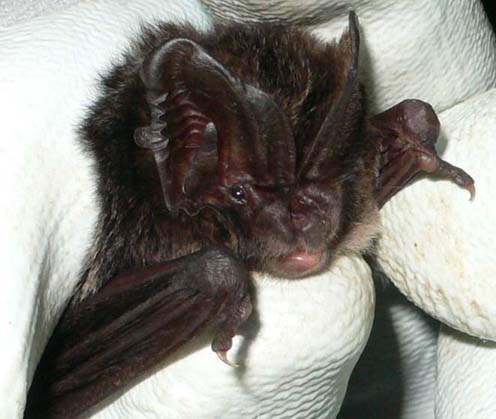
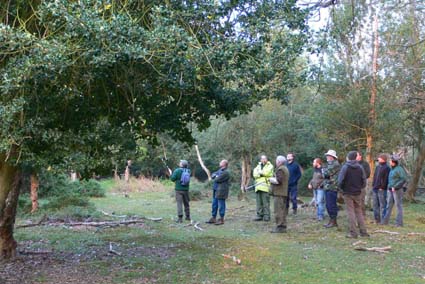
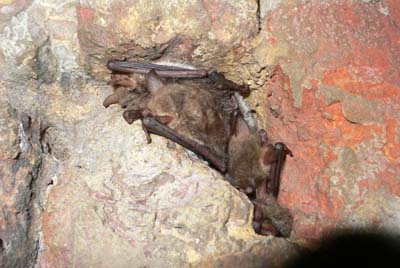
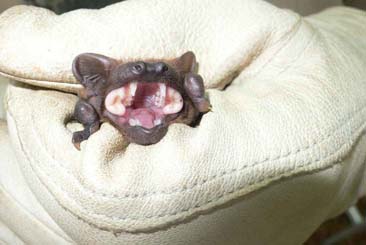
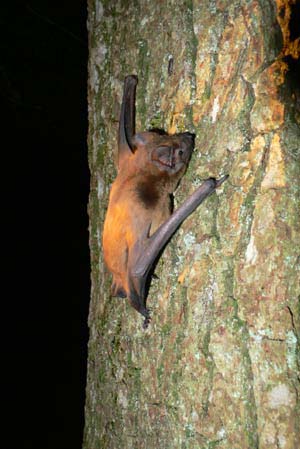
We established this project in 2005 through the Hampshire Bat Group. The primary objectives were to establish the distribution of Bechstein's and barbastelle bats in the Forest (these are two of the UK's rarest woodland bat species).
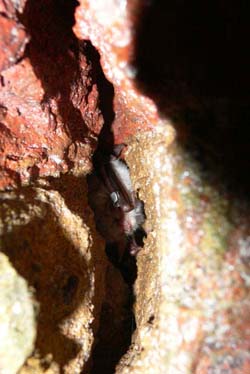
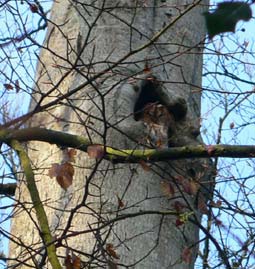
We were successful in identifying 4 Bechstein's and 3 barbastelle maternity colonies and over 30 tree roosts. This work demonstrated that both species occur throughout the New Forest and in some cases habitats extend outside the National Park boundary.
Latterly we have extended this to study and set conservation objectives for greater horseshoe and grey long-eared bats which are on the edge of their range in the County.
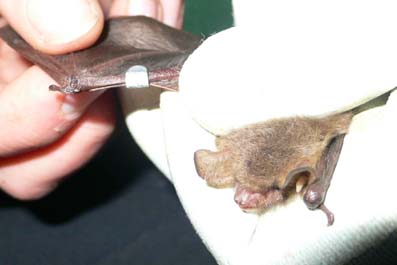
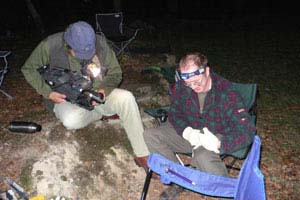
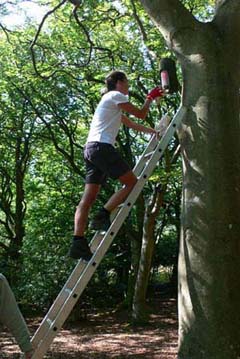
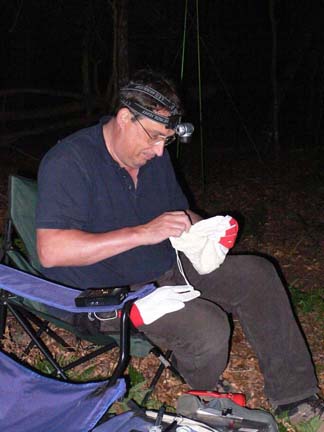
As well as identifying key roosts and foraging areas for rare bats we raise awareness of bat conservation with land-owners/managers as well as the general public and provide training for local volunteers. We monitor 200 bat boxes across the New Forest and are building up information on roost fidelity through a long-term ringing project. All data is fed to local authorities and feeds into local policy (such as the Local Nature Recovery Strategy). Funding for equipment was initially provided by the New Forest National Park Sustainable Development Fund (SDF) & The New Forest Trust. Latterly New Forest District Council has funded greater horseshoe bat research in the Avon Valley.
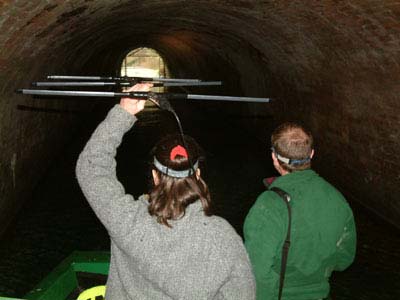
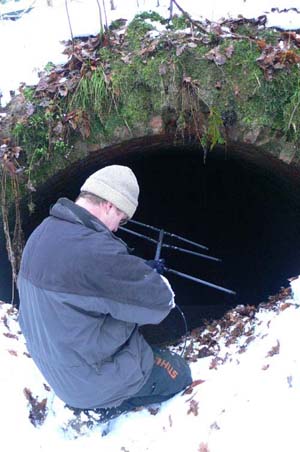
Swarming & Hibernation Behaviour at Greywell Tunnel: Greywell Tunnel is a disused canal tunnel near Basingstoke, Hampshire. It is a Site of Special Scientific Interest (SSSI) and supports the second highest winter population of Natterer's bats in Europe. Paul undertook a study of the hibernal ecology of vesper bats for his PhD, basing much of his study on bats using Greywell Tunnel.
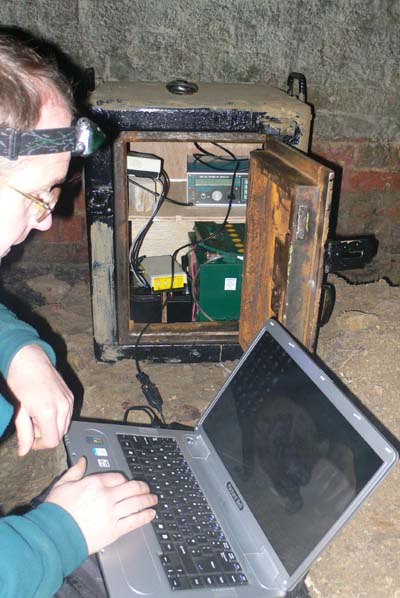
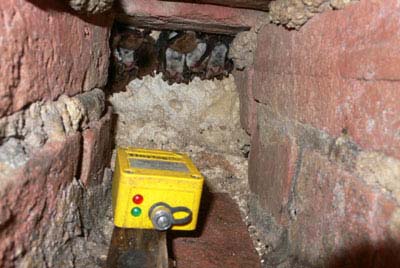
Thermistor radio tags were fitted to bats and the data analysed to investigate how bats use periods of torpor interspersed with arousals during the winter. Data loggers recorded temperature and humidity and static detectors and passive infra-red beams recorded bat activity levels over a four year period. Other aspects of study include analysis of feeding remains in bat droppings collected in the tunnel, video monitoring, winter bat detector transects, swarming studies and invertebrate sampling.
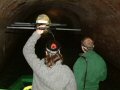
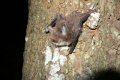
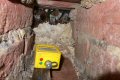
Image Gallery